


Discover Single-Origin Coffee: A Flavor Journey

Coffee lovers, rejoice! If you’ve ever sipped a cup of coffee and wondered about its origins, you’re not alone. The world of coffee is vast and diverse, with each region offering unique flavors and aromas. In this post, we will explore the fascinating world of single-origin coffee, taking you on a flavor journey that highlights the distinct characteristics of beans from different parts of the globe.
What is Single-Origin Coffee?
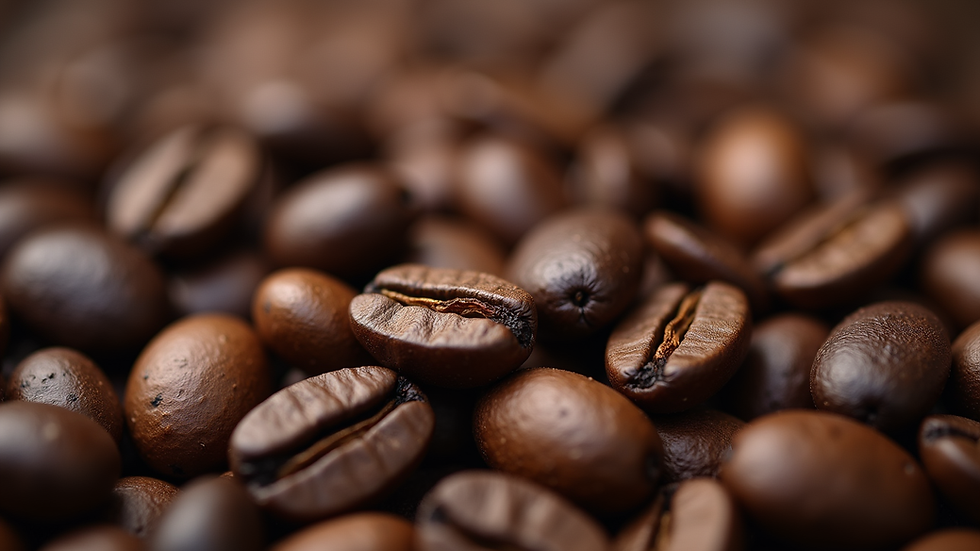
Single-origin coffee refers to coffee sourced from one location, whether it be a specific country, region, or even a single farm. This contrasts with blends, which combine beans from multiple origins. The beauty of single-origin coffee lies in its ability to showcase the unique flavors and characteristics imparted by the specific growing conditions, processing methods, and local traditions.
Why Choose Single-Origin Coffee?
Distinct Flavors: Each coffee-growing region has its own climate, soil, and altitude, which influence the flavor profile of the beans. For example, Ethiopian coffees are often fruity and floral, while Colombian coffees tend to be nutty and chocolatey.
Traceability: With single-origin coffee, you can trace the beans back to their source. This transparency allows consumers to support specific farmers and communities.
Quality: Single-origin coffees are often produced in smaller quantities, allowing for more attention to detail in cultivation and processing. This can result in higher quality beans.
Cultural Experience: Drinking single-origin coffee can be a cultural experience, connecting you to the traditions and practices of the region it comes from.
The Journey of Coffee from Bean to Cup
Understanding the journey of coffee can enhance your appreciation for single-origin varieties. Here’s a breakdown of the process:
1. Cultivation
Coffee plants thrive in specific climates, typically found in the "coffee belt," which spans the globe between the Tropics of Cancer and Capricorn. Factors such as altitude, rainfall, and soil type play a crucial role in the flavor profile of the beans.
2. Harvesting
Coffee cherries are typically harvested by hand, ensuring that only the ripest cherries are selected. This labor-intensive process is essential for producing high-quality coffee.
3. Processing
Once harvested, the cherries undergo processing to extract the beans. There are two primary methods:
Wet Processing: The cherries are pulped, fermented, and washed, resulting in a cleaner flavor profile.
Dry Processing: The cherries are spread out in the sun to dry, imparting a fruitier flavor.
4. Roasting
Roasting transforms green coffee beans into the aromatic brown beans we know. The roasting process affects the flavor, aroma, and acidity of the coffee. Light roasts tend to preserve the original flavors of the beans, while dark roasts develop deeper, bolder flavors.
5. Brewing
Finally, the roasted beans are ground and brewed. Different brewing methods, such as pour-over, French press, or espresso, can further influence the flavor of the coffee.
Exploring Popular Single-Origin Coffee Regions
Let’s take a closer look at some of the most renowned coffee-growing regions and what makes their beans unique.
Ethiopia
Ethiopia is often considered the birthplace of coffee. The country’s diverse microclimates and heirloom varieties contribute to a wide range of flavors. Ethiopian coffees are known for their bright acidity and fruity notes, often featuring flavors like blueberry, jasmine, and bergamot.
Colombia
Colombian coffee is famous for its smooth, well-balanced flavor. The country’s mountainous terrain and ideal growing conditions produce beans with a medium body and notes of caramel and nuts. Colombian coffee is often described as having a sweet, mild flavor that appeals to a broad audience.
Guatemala
Guatemalan coffees are characterized by their full body and rich flavors. The country’s volcanic soil and high altitudes contribute to a complex flavor profile, often featuring chocolate, spice, and citrus notes. The Antigua region is particularly renowned for its high-quality beans.
Kenya
Kenyan coffee is celebrated for its bright acidity and bold flavors. The beans often exhibit fruity notes, such as blackcurrant and citrus, along with a wine-like quality. The unique processing methods used in Kenya also contribute to the coffee’s distinct taste.
Costa Rica
Costa Rican coffee is known for its high quality and consistency. The country’s commitment to sustainable farming practices has led to the production of beans with a clean, bright flavor. Costa Rican coffees often have notes of honey, chocolate, and citrus.
How to Brew the Perfect Cup of Single-Origin Coffee
Brewing single-origin coffee requires attention to detail to fully appreciate its unique flavors. Here are some tips for brewing the perfect cup:
1. Use Fresh Beans
Always use freshly roasted beans for the best flavor. Coffee begins to lose its freshness soon after roasting, so aim to use beans within a few weeks of their roast date.
2. Grind Just Before Brewing
Grinding your beans just before brewing ensures maximum freshness and flavor. Use a burr grinder for a consistent grind size, which is crucial for even extraction.
3. Measure Your Coffee and Water
A general guideline is to use one to two tablespoons of coffee per six ounces of water. Adjust to your taste preference, but consistency is key.
4. Pay Attention to Water Temperature
The ideal water temperature for brewing coffee is between 195°F and 205°F. Water that is too hot can scorch the coffee, while water that is too cool can lead to under-extraction.
5. Experiment with Brewing Methods
Different brewing methods can highlight different aspects of the coffee’s flavor. Try various methods, such as pour-over, French press, or Aeropress, to find the one that best suits your taste.
The Role of Sustainability in Single-Origin Coffee
Sustainability is an important consideration in the coffee industry. Many single-origin coffee producers prioritize environmentally friendly practices, such as shade-grown coffee and organic farming. By choosing single-origin coffee from sustainable sources, you can enjoy your cup of coffee while supporting ethical practices.
Supporting Farmers and Communities
When you purchase single-origin coffee, you often support small-scale farmers and their communities. Many coffee cooperatives work to ensure fair wages and improve living conditions for farmers. This not only helps the farmers but also contributes to the overall quality of the coffee.
Tasting Single-Origin Coffee
Tasting single-origin coffee can be a delightful experience. Here’s how to properly taste and evaluate the flavors:
1. Smell
Start by smelling the coffee grounds. Take note of the aromas, which can give you clues about the flavors to expect.
2. Slurp
When tasting, take a small sip and slurp the coffee. This helps aerate the coffee and allows you to fully experience the flavors.
3. Evaluate
Consider the coffee’s body, acidity, sweetness, and aftertaste. Take your time to appreciate the complexity of the flavors.
Conclusion
Single-origin coffee offers a unique opportunity to explore the diverse flavors and traditions of coffee from around the world. By understanding the journey of coffee from bean to cup and appreciating the distinct characteristics of different regions, you can enhance your coffee-drinking experience.
As you embark on your flavor journey, consider trying a variety of single-origin coffees to discover your favorites. Whether you prefer the fruity notes of Ethiopian coffee or the smooth sweetness of Colombian beans, there’s a world of flavors waiting for you to explore. So grab your favorite brewing method, and enjoy the rich tapestry of single-origin coffee!


Comments